Overview
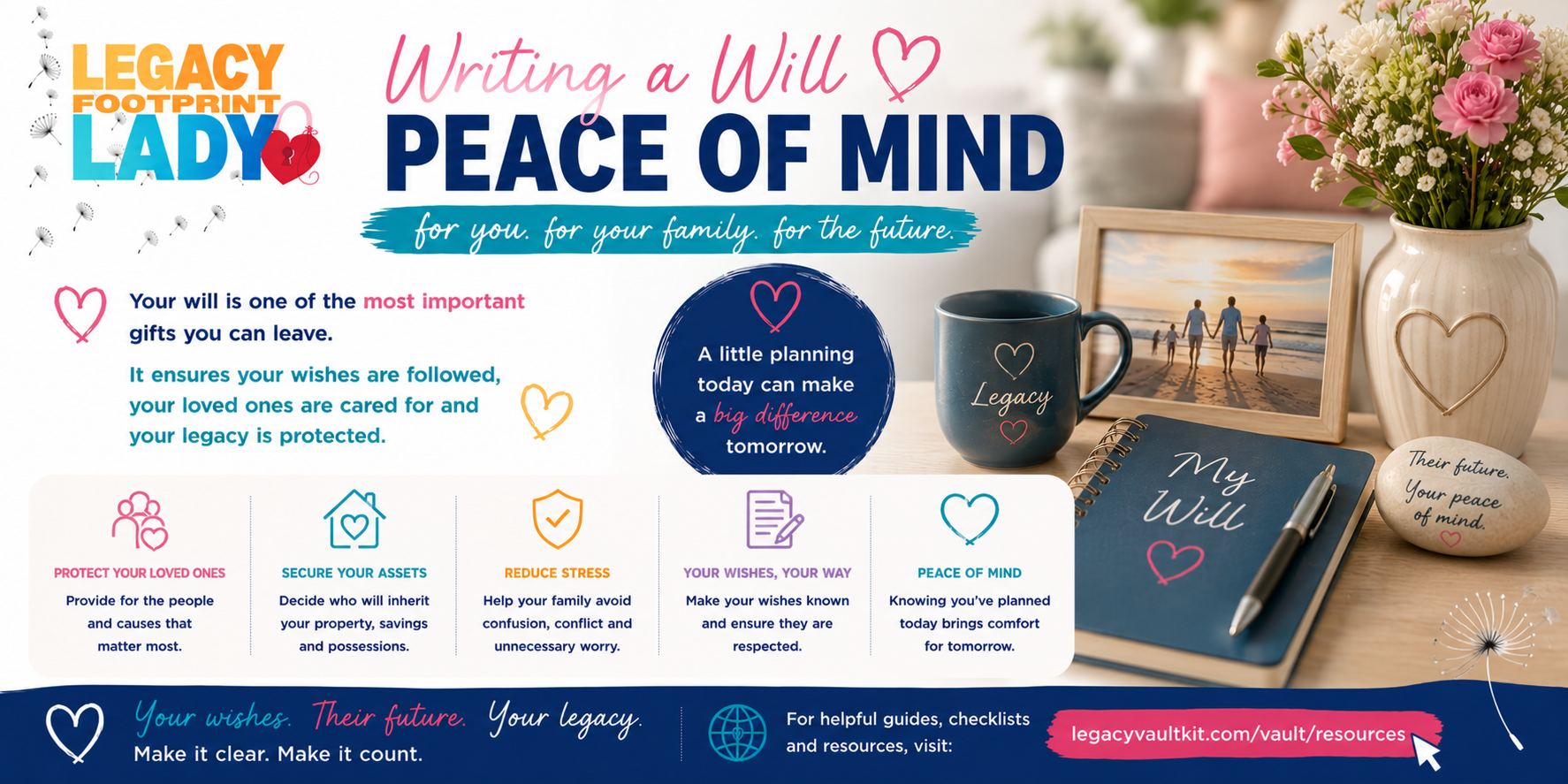
A will is a legal document that sets out what you want to happen to your money, property, and possessions when you die. It also lets you name a guardian for any children under 18. Without a will, your estate is distributed according to the Rules of Intestacy, which may not reflect your wishes. Writing a will is one of the most practical things you can do for the people you love.
Why This Matters
Without a will, the law decides who gets what. This can cause significant distress for families, especially in blended families, unmarried couples, or where there are overseas assets. A will also appoints an executor, the person responsible for carrying out your wishes, which saves your family from having to make difficult decisions at an already difficult time.
Key Facts
- Without a will, your estate is distributed under the Rules of Intestacy, which may not reflect your wishes.
- Unmarried partners have no automatic right to inherit under the Rules of Intestacy.
- A will must be signed in the presence of two independent witnesses.
- You can change your will at any time by making a new one or adding a codicil.
- Marriage or civil partnership automatically revokes a previous will in England and Wales.
- Divorce does not automatically revoke a will, but it does revoke gifts to an ex-spouse.
- You can use a will to reduce inheritance tax by leaving assets to a spouse or charity.
- Wills can be stored with a solicitor, at home, or registered with the National Will Register.
Step by Step
- 1
Decide what you want to include
Think about who you want to benefit from your estate, who you want to appoint as executor, and whether you want to leave specific items to specific people. If you have children under 18, think about who you would want to be their guardian.
- 2
Choose your executor
Your executor is the person responsible for carrying out your wishes. This is usually a trusted family member or friend, but can also be a solicitor. You can appoint more than one executor. Make sure you ask the person first and that they are willing to take on the role.
- 3
Decide how to make your will
You can write a will yourself, use an online will-writing service, or use a solicitor. For simple estates, a DIY or online will may be sufficient. For complex situations, such as overseas assets, a business, or a blended family, a solicitor is strongly recommended.
- 4
Sign your will correctly
To be legally valid in England and Wales, a will must be signed by you in the presence of two independent witnesses, who must also sign. Witnesses and their spouses or civil partners cannot benefit from the will. If the signing process is not done correctly, the will may be invalid.
- 5
Store your will safely
Keep your original will somewhere safe and tell your executor where it is. You can store it with your solicitor, at home, or register it with the National Will Register. Do not keep it in a place that might be difficult to access after your death, such as a safe deposit box.
- 6
Review your will regularly
Review your will every few years and after major life events such as marriage, divorce, the birth of a child, or a significant change in your assets. A will that was written 20 years ago may no longer reflect your wishes or circumstances.
Keep all your legal documents and notes in one secure place. Your family will know exactly where to look when it matters most.
Frequently Asked Questions
- What happens if I die without a will?
- Your estate is distributed according to the Rules of Intestacy. In England and Wales, this means your spouse or civil partner inherits first, then children, then other relatives. Unmarried partners, stepchildren, and friends receive nothing. The rules may not reflect your wishes at all.
- Can I write my own will?
- Yes, but it must be done correctly to be legally valid. A handwritten or typed will is valid as long as it is signed and witnessed properly. However, mistakes in DIY wills are common and can cause significant problems. For anything other than a very simple estate, professional advice is recommended.
- Does marriage affect my will?
- Yes. In England and Wales, marriage or civil partnership automatically revokes any previous will. If you marry after making a will, you need to make a new one. Divorce does not revoke a will, but it does revoke any gifts or appointments made to an ex-spouse.
- Can I leave my estate to anyone I choose?
- In general, yes. However, certain people, such as a spouse, civil partner, or dependent children, may be able to make a claim against your estate if they feel they have not been adequately provided for. This is known as an Inheritance Act claim.
- What is a mirror will?
- A mirror will is a pair of wills made by two people, usually a couple, that reflect each other. Each person leaves their estate to the other, with the same backup beneficiaries. They are a cost-effective option for couples with straightforward wishes.
- Do I need a separate will for overseas property?
- If you own property in another country, it is strongly advisable to make a separate will in that country to cover those assets. Different countries have different rules about wills and inheritance, and a UK will may not be recognised or may cause complications abroad.
Official Resources
These links go directly to official government and trusted organisation websites.
- Making a willOfficial GOV.UK guidance on making a will in England and WalesGOV.UK
- Rules of IntestacyWho inherits if someone dies without a willGOV.UK
- National Will RegisterRegister your will so it can be found after your deathNational Will Register
- Citizens AdviceFree guidance on making a will from Citizens AdviceCitizens Advice
How Legacy Vault Kit Can Help
Legacy Vault Kit has a Legal section where you can record the location of your will, the name and contact details of your executor, and any specific wishes you want your family to know about. You can also store a copy of your will in your vault, so your Trusted Person can access it quickly when needed.